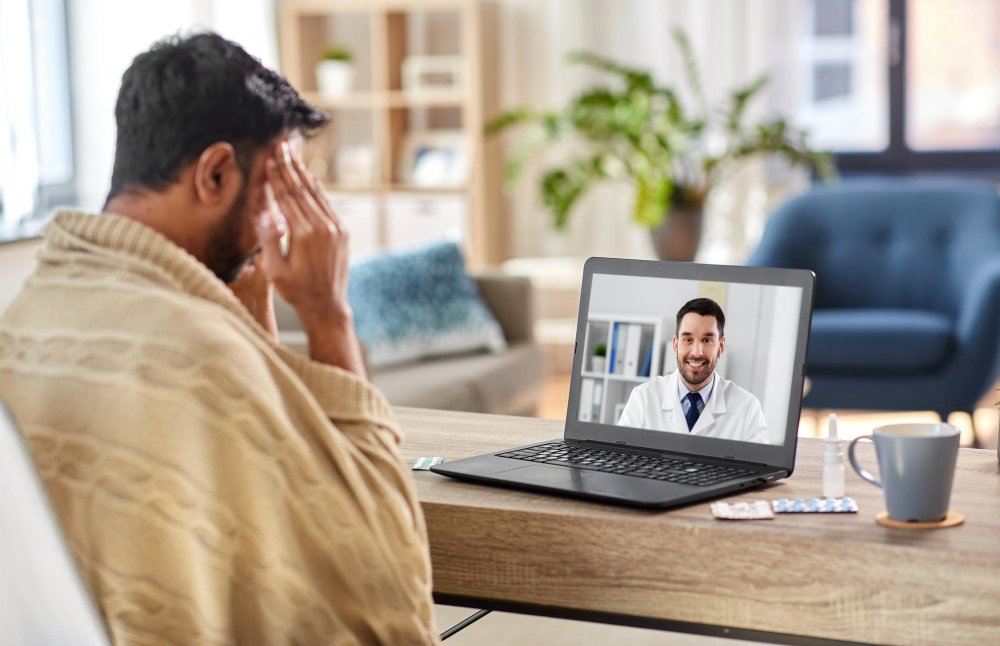
The rise of telehealth has significantly expanded access to mental health services, reshaping how individuals engage with therapy. As virtual care becomes more mainstream, questions around effectiveness naturally arise. A growing body of research consistently shows that online counseling for anxiety can be as effective as in-person therapy for many individuals, particularly when interventions are evidence-based and delivered by qualified professionals.
One of the primary advantages of online counseling is ease of access. Virtual sessions eliminate commuting time, simplify scheduling, and allow individuals to attend therapy from familiar environments. For those managing demanding work schedules, caregiving responsibilities, or limited mobility, this accessibility can make the difference between postponing care and engaging consistently.
Clinical studies have demonstrated comparable outcomes between online and in-person therapy for anxiety reduction, especially when structured therapeutic models are used. Cognitive-Behavioral Therapy (CBT), exposure-based techniques, and mindfulness-based interventions adapt effectively to digital formats. Screen sharing, guided exercises, and real-time feedback enable therapists to deliver structured sessions that closely mirror traditional face-to-face care.
Conversely, in-person therapy offers distinct advantages for certain individuals. Physical presence can enhance emotional attunement, non-verbal communication, and therapeutic containment. Some clients benefit from the intentional separation between their personal environment and the therapy setting, which can promote focus and emotional safety. In-person sessions may also be preferable for individuals with complex clinical needs or those who struggle with privacy at home.
The decision between online and in-person therapy often depends on individual comfort level, symptom profile, and logistical considerations. Factors such as severity of anxiety, access to technology, personal preferences, and previous therapy experiences can play a role. Importantly, the therapeutic relationship and the quality of clinical care remain more influential than in-person vs telehealth format.
Online counseling for anxiety continues to evolve alongside advancements in digital health infrastructure. Secure platforms, encrypted communication, and interactive therapeutic tools have strengthened both privacy and engagement. With proper clinical oversight and ethical standards, virtual therapy remains a viable and effective option for many individuals.
Ultimately, selecting the right format is a strategic and personalized decision. Both online and in-person therapy offer meaningful benefits when aligned with individual needs, goals, and life circumstances. What matters most is consistent engagement in a therapeutic process that supports emotion regulation, resilience, and long-term well-being.